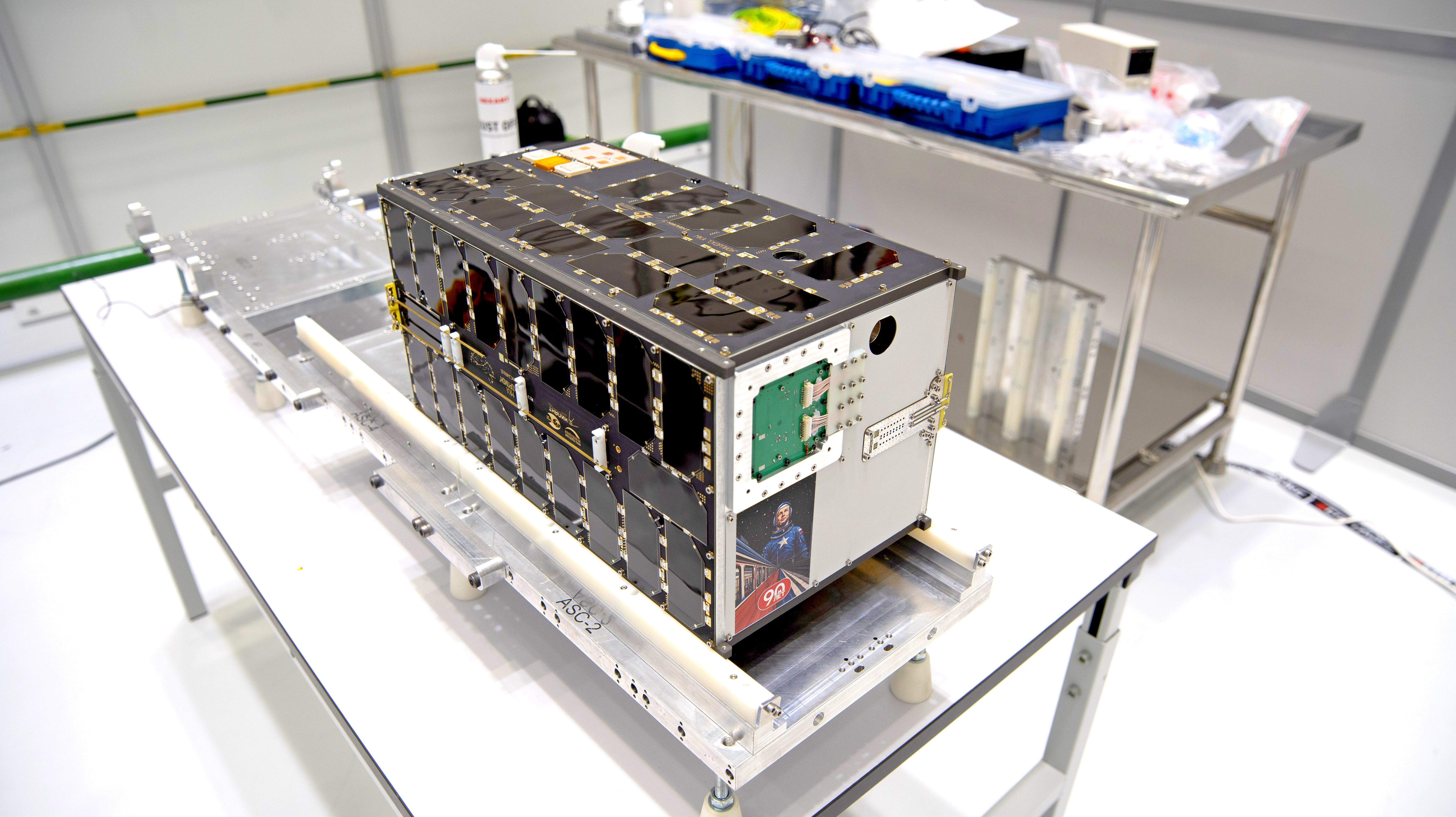
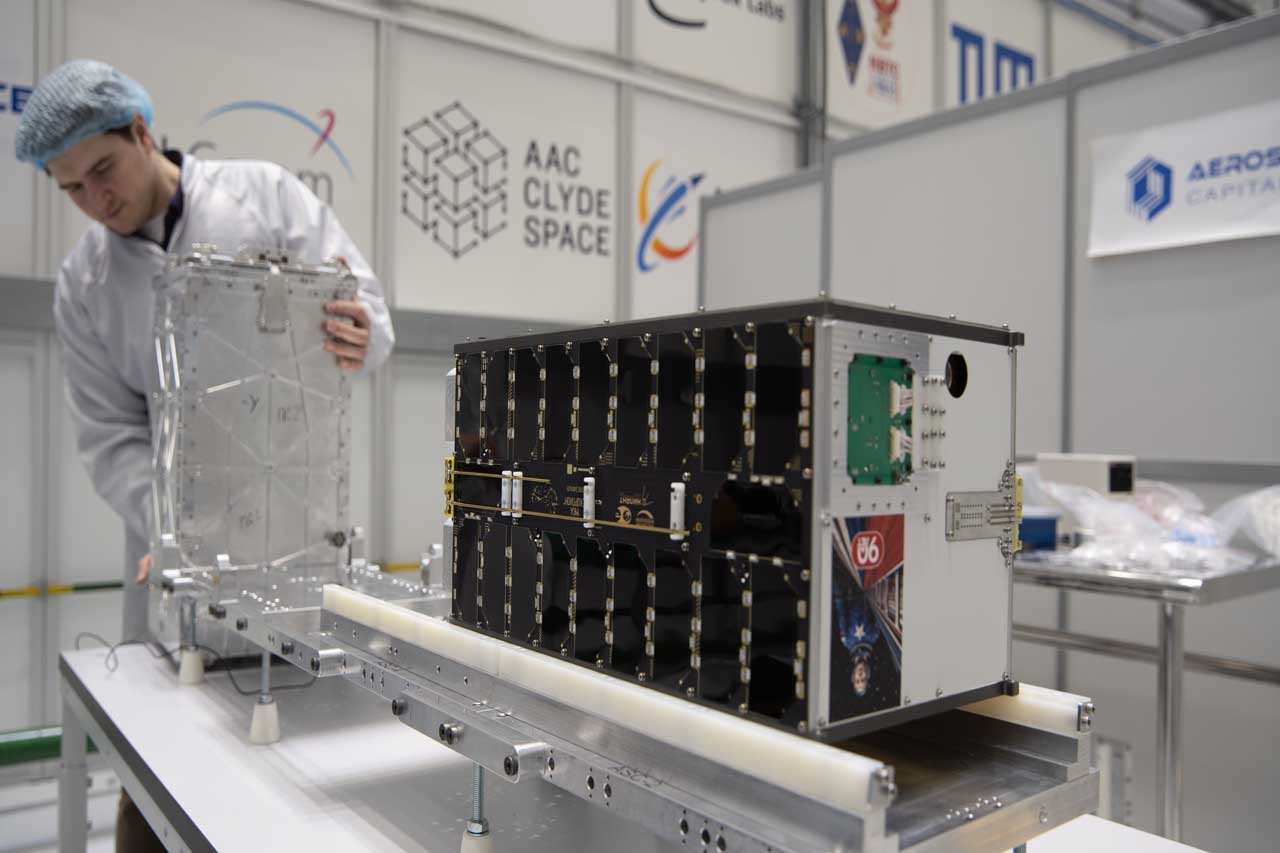
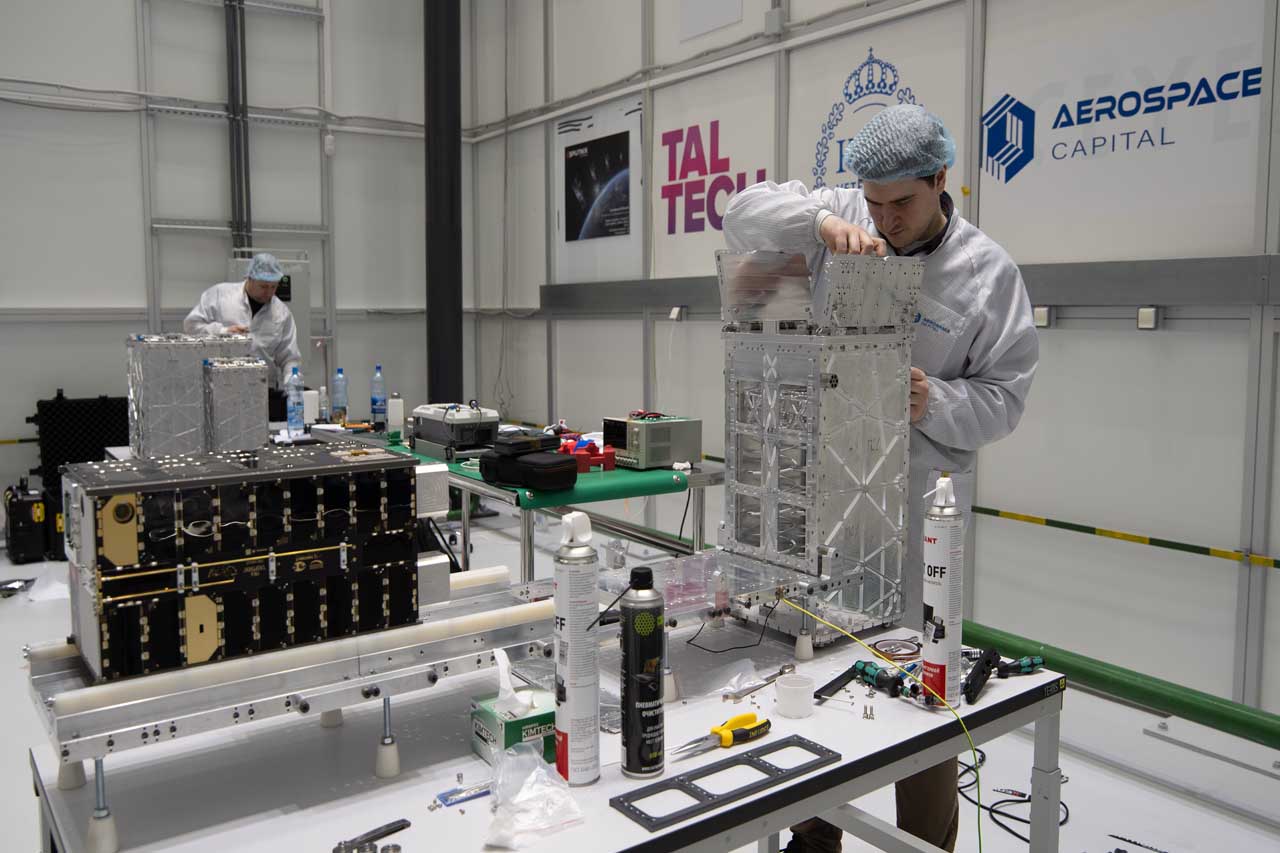
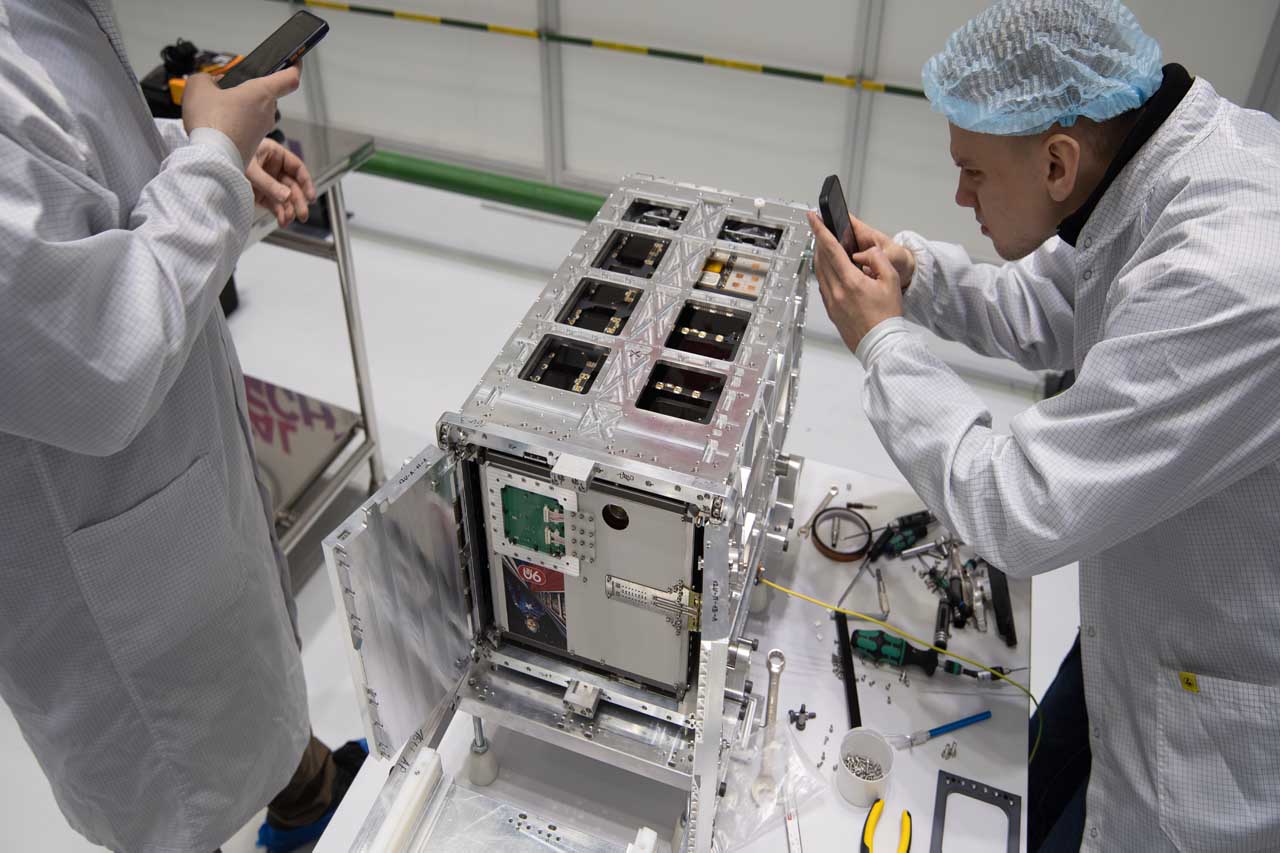
Scorpion Spacecraft

Scorpion
Scorpion
Scorpion
Scorpion
Spacecraft name Scorpion (Scorpio)
Form factor CubeSat
Units or mass 16U
Status Operational? (Heard by PE0SAT as of 2025-12-31)
Launched 2025-12-28
NORAD ID ?
Deployer 12U Deployer [Aerospace Capital]
Launcher Sojuz
Organisation Lomonosov Moscow State University
Institution University
Entity Academic / Education
Headquarters Russia
Manufacturer AIVT by NILAKT DOSAAF
Operator ?
Oneliner

Studying the radiation environment in a polar SSO using cosmic radiation detectors developed at the Moscow State University Institute of Nuclear Physics.

Description

The Scorpion small spacecraft, developed by the Skobeltsyn Institute of Nuclear Physics of Lomonosov Moscow State University  and NILAKT DOSAAF, is based on the CubeSat 16U standard.

The primary technological objective of the Scorpion spacecraft is to obtain radiation data using cosmic radiation detectors developed at the Moscow State University Institute of Nuclear Physics in polar sun-synchronous orbits under limited-orientation flight conditions on a small CubeSat platform with a specified onboard electronics configuration.

Purpose:

The combined operation of the optical, gamma, and charged particle detectors is aimed at a comprehensive study of cosmic astrophysical phenomena. Another important objective is to conduct astrobiology research, specifically studying the impact of space factors on biological systems and developing methods for searching for microorganisms on space objects.

Coordinated optical and detector observations of charged particle flows will allow us to study the mechanisms of magnetospheric dynamics and create a prototype system for assessing space weather conditions. 

The experimental equipment located on board is an important stage in the development of satellite experiment technologies at the Moscow State University Scientific Research Institute of Nuclear Physics, the main objective of which is to develop a dynamic model of the near-Earth radiation environment in various orbits.
As part of educational activities with schoolchildren via satellite, employees of the Moscow State University Institute of Nuclear Physics took part in the scientific and technological program "Big Challenges" at the Sirius Educational Center with the project "Position-sensitive radiation detector for small satellites of the CubeSat standard . "

The payload of the Scorpion spacecraft includes:

Sources [1] [2]
Photo sources [1] [2]
On the same launch

Last modified: 2026-01-04

Feel free to connect at any time.

Created by Erik Kulu

Email: erik.kulu@nanosats.eu
LinkedIn: linkedin.com/in/erikkulu

Social Platforms

LinkedIn: Nanosats
Twitter: @nanosatellites

Sister Websites

NewSpace Index: newspace.im
Factories in Space: factoriesinspace.com

Copyright © 2014 - 2026 Erik Kulu
